A domain researcher shouldn't have to hire a full-time AI engineer, data engineer, research software engineer, and HPC specialist before doing AI-enabled science. The Corps is that shared expertise, distributed across the member campuses but run as one service: one intake, shared documentation and workflows, and common measures.
Like the county agent, a Corps facilitator works where the problem is. The Corps turns ad hoc technical help into a coordinated, persistent regional capability, and builds on the three research computing organizations rather than standing beside them. Specialists rotate across sites, so every environment has a second operator.
AI-for-Science Facilitators
Embedded with domain researchers to translate scientific questions into executable workflows, with hands-on consultation and training until the group can carry on independently.
Research Software and AI Engineers
Containers, workflows, distributed training and inference, performance, and reproducibility.
Data Engineers
Curation, pipelines, metadata, provenance, data movement, quality control, and AI-ready datasets.
Infrastructure Specialists
GPU and cloud environments, scheduling, monitoring, security tiers, identity and access, and the path from campus to cloud to national resources.
Published service levels
1 business day
to approve a startup allocation after a complete request
5 business days
until that allocation is ready to use
10 business days
until a facilitator reaches out to every new user
Weekly office hours
at each of the three university sites, and a scoped work plan for every engagement
The facilitator's call follows access; it is never a condition of it. Every new allocation also starts the time-to-resource clock, so the Hub can show how quickly people actually get going.
One front door, four tiers
You won't need to know which institution owns a particular accelerator or storage system. A common intake triages each request by scientific goal, readiness, scale, and data security needs. Ask for resources, expert help, or both, and a facilitator helps choose where the work should run. You sign in with your campus credentials, and colleges outside the usual identity federations get documented onboarding.
Local
Develop
Campus systems for courses, exploratory analysis, model development, and interactive work.
Regional
Scale
Federated Nova, Argon, and Swan resources and new Hub-dedicated GPUs for larger training, simulation, and data-intensive work.
Cloud
Burst and teach
A shared cloud tier for bursts, instruction, and specialized services, open to every Hub user through the common intake.
National
Surge
The National Research Platform and supported applications to NAIRR, using portable containers and workflows.
Behind the front door
A shared Kubernetes fabric
Hub-dedicated nodes join the National Research Platform beside the nodes UNL already operates there. Consortium users hold priority. Idle capacity goes to other NRP users and to high-throughput jobs from the PATh OSPool rather than sitting unused, and a hosted JupyterHub serves classes without a campus HPC account.
Campus HPC partitions
Slurm partitions on Nova, Argon, and Swan carry tightly coupled simulation, molecular-dynamics ensembles, and parallel-file-system workflows.
Secure enclaves
Proprietary and controlled data run in campus secure enclaves, never on shared national infrastructure.
A regional data plane
Open Science Data Federation services from FabAID (Fabric for AI-Driven Science) and GP-STOR act as caches and origins, with the National Data Platform as the catalog.
Sized for the science
Most of the work the Hub expects is teaching, startup projects, fine-tuning, inference, and single-node simulation ensembles, not tightly coupled training. So new Hub-dedicated purchases favor many mid-range GPUs over a few large ones: a large pool of identical GPUs in both states, each node with enough memory to fine-tune and serve current open models. Training that needs tightly coupled multi-node GPUs runs on Nova's high-end nodes or surges to national resources.
National connections
NAIRRNational AI Research Resource
NRPNational Research Platform
NDPNational Data Platform
OSDFOpen Science Data Federation
PAThPartnership to Advance Throughput Computing
FabAIDFabric for AI-Driven Science
Transparent allocation, no pay-to-play
Allocations open the door to the Corps. Their first job is to put a facilitator in touch with a researcher or instructor as early as possible, so review effort scales with the size of a request and the smallest are approved by default.
Like Extension's commitment to serve every community, the process is published. Contributing institutions receive fair-share priority, never exclusive use; idle capacity flows to other Hub users and then to the National Research Platform. Community and technical colleges and smaller institutions are not asked for capital contributions to take part.
Startup allocations
Up to 500 GPU-hours (measured on a reference accelerator) for any faculty member, researcher, or instructor at an Iowa or Nebraska college or university. The request is a short web form: your name, your institution, and a few sentences on the science. No proposal and no merit review; approval within one business day and access within five. Only work with proprietary or controlled data goes to a security review, and a first request from a new institution also starts its onboarding.
Instructional allocations
The same short form, sized to the course, and in place before the term begins.
Research allocations
For work beyond startup scale, reviewed monthly on readiness and scientific merit. The facilitator you met at startup helps write the short work plan, and your startup access continues while the request is reviewed.
Large and surge allocations
Decided on a rolling basis. Work beyond regional capacity gets help applying to NAIRR and the National Research Platform, whose own reviews still apply.
A protected share
At least 15% of each year’s new Hub-dedicated capacity, rising to 20% by Year 5, with cloud access and facilitation, reserved for community and technical colleges, primarily undergraduate institutions, and institutions without research-computing staff.
Three flagship exemplars
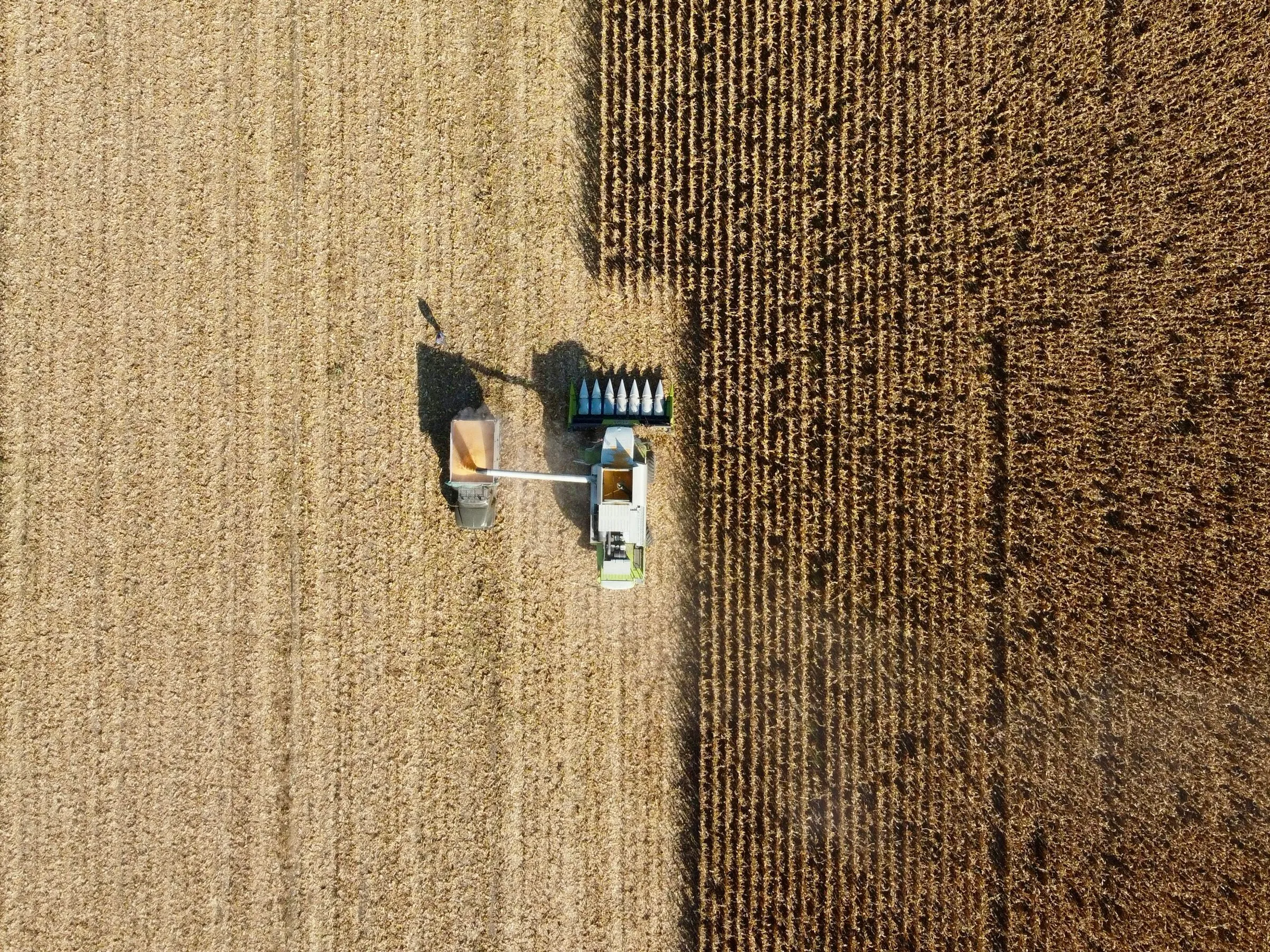
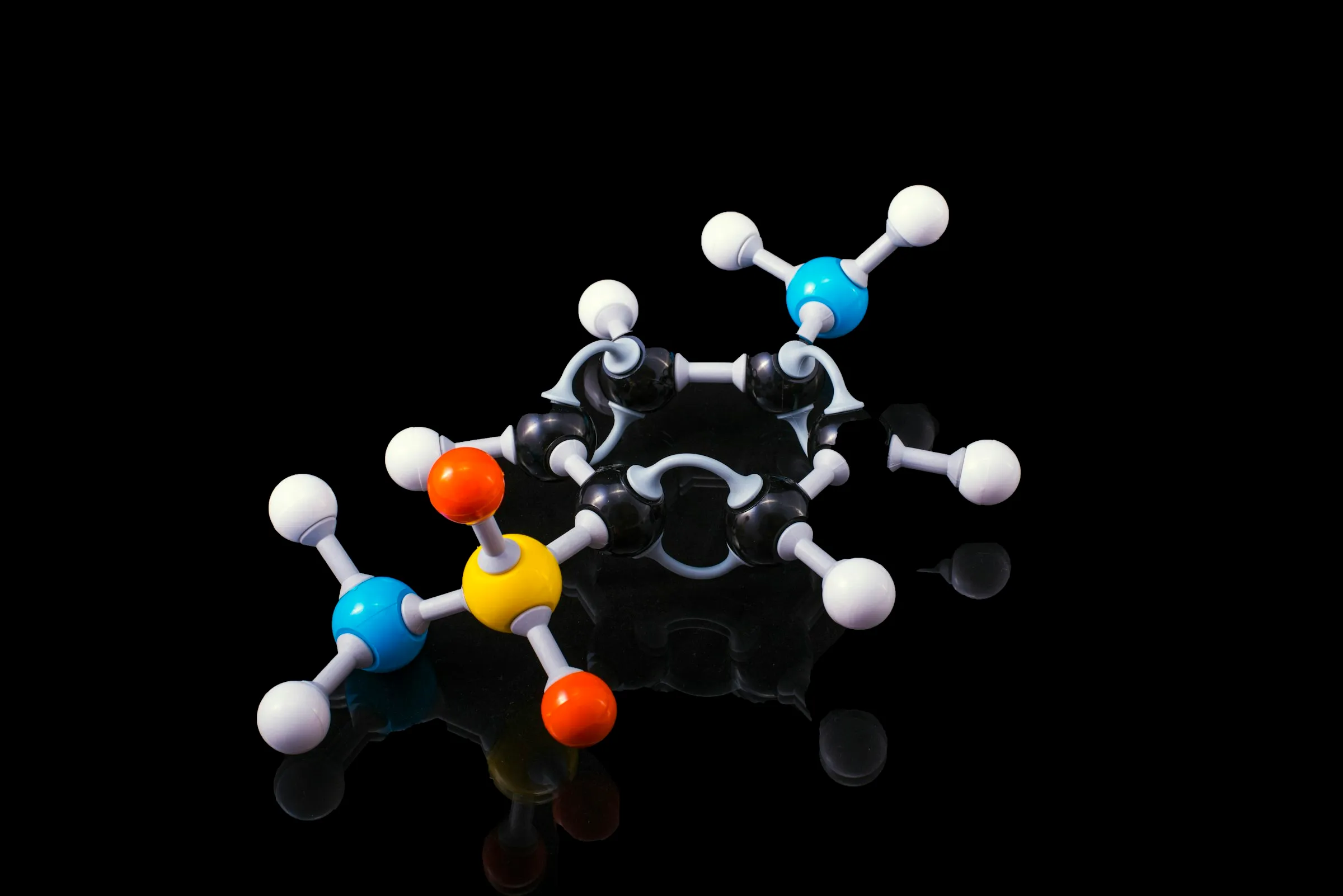
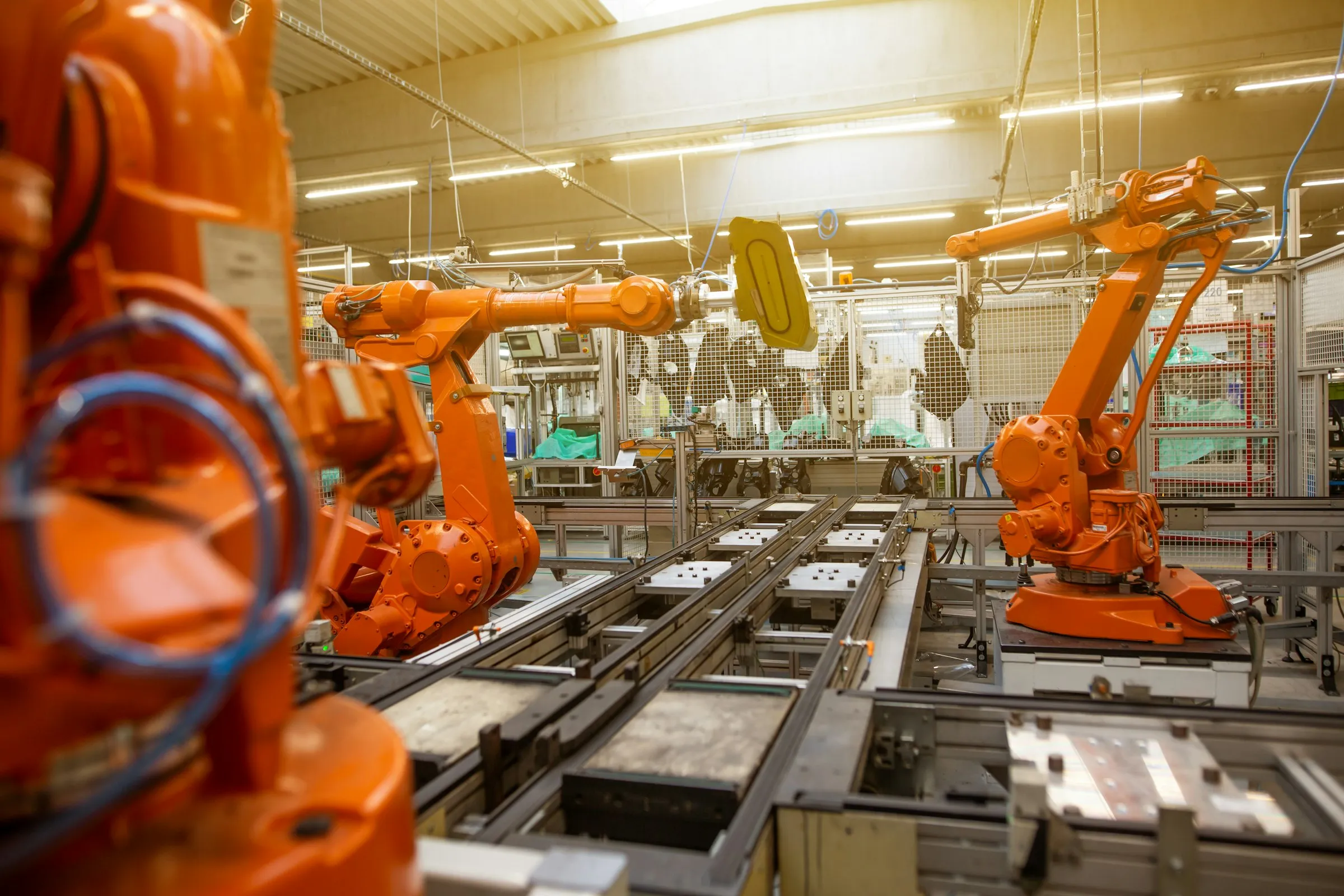
Like a demonstration plot, each science driver has one flagship exemplar that shows the infrastructure working. Field, Molecule, and Factory each need something different, which is why the regional fabric mixes GPU training, CPU simulation, large-scale data, and secure environments. Each would deliver a reviewable result by Year 2.
Can digital twins predict part quality and flag defective or tampered toolpaths before a part is built?
Led by
ISU with CIRAS and the Nebraska Manufacturing Extension Partnership
What it needs
GPU simulation ensembles, secure enclaves for proprietary data, and cloud inference
By Year 2
A reusable CAD-to-toolpath-to-prediction workflow, demonstrated on an industry-defined problem
The drivers set requirements; they don't draw disciplinary boundaries. The same infrastructure serves meritorious AI-enabled research across the region, including biomedical and health sciences at the University of Iowa and the University of Nebraska Medical Center, transportation science with the Iowa Department of Transportation, and new work across the physical, biological, computational, and engineering sciences.
Have a project in mind?
We're gathering research problems now to shape the first Launch cohort and startup allocations. Tell us what you're working on, what data you have, and where you're stuck.