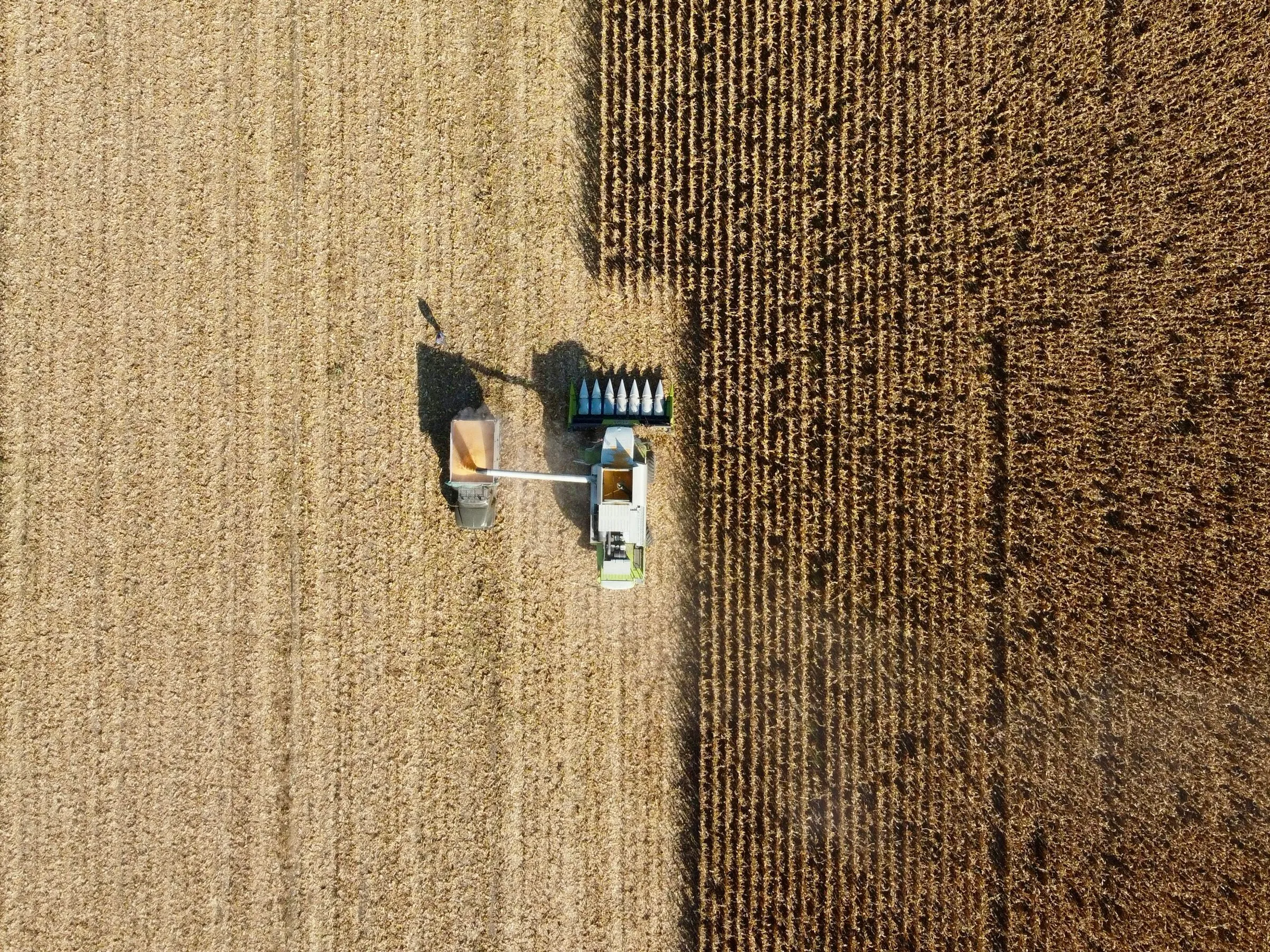
Field
Can crop-sensing and phenotyping foundation models generalize across sites, seasons, and sensors?
Multimodal foundation models for crop sensing and phenotyping, with coupled soil, water, and nutrient digital twins.

HEARTLAND: Hub for Expanding AI Research, Training, Learning, Access, Networking, and Discovery
A proposed regional hub that brings the land-grant Extension model to AI-enabled discovery: shared computing, data, and software, and a distributed corps of experts who work alongside researchers, educators, and students.
UNKUniversity of Nebraska at KearneyUniversity of Nebraska system campus within the HEARTLAND service region.
UNLUniversity of Nebraska–LincolnLeads infrastructure and allocation: the federated fabric and the path to national resources.
UNOUniversity of Nebraska OmahaUniversity of Nebraska system campus within the HEARTLAND service region.
UNMCUniversity of Nebraska Medical CenterUniversity of Nebraska system campus within the HEARTLAND service region.
ISUIowa State UniversityLead institution: coordination, the AI-for-Science Corps, and research enablement.
UIUniversity of IowaLeads education and workforce development; anchors the Molecule driver.
ProposedNSF 26-513State and Regional AI Infrastructure Hubs
Led by Iowa State University with the University of Iowa and the University of Nebraska–Lincoln.
AI could speed discovery across the region's field-to-molecule-to-factory economy, but the ability to use it is unevenly spread. Reaching advanced computing, preparing scientific data, building reliable workflows, and scaling them takes expertise and sustained support that many research groups can't keep on their own.
Those barriers fall hardest on the long tail of science: researchers, educators, students, and smaller institutions whose questions matter but whose computing needs are too occasional or specialized to justify a full AI and HPC staff of their own. For them, trusted expertise at the point of need may matter as much as more hardware.
That is Extension's founding insight. Land-grant universities built Extension to bring university expertise to every county. HEARTLAND brings the same model to AI-enabled science.
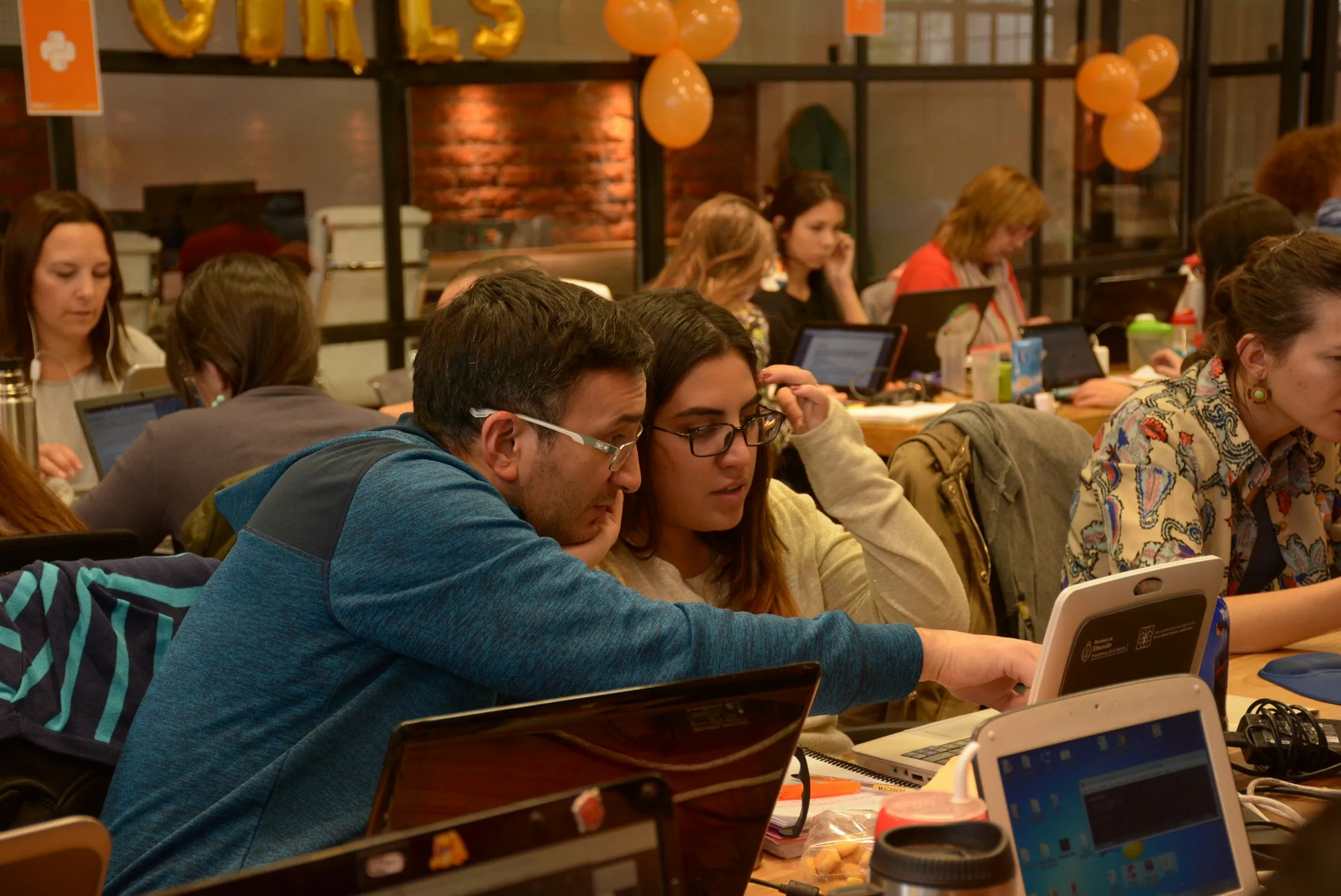
The analogy is the design. Each piece of the model that carried agricultural science to every county has a counterpart in the hub.
See how the hub is organized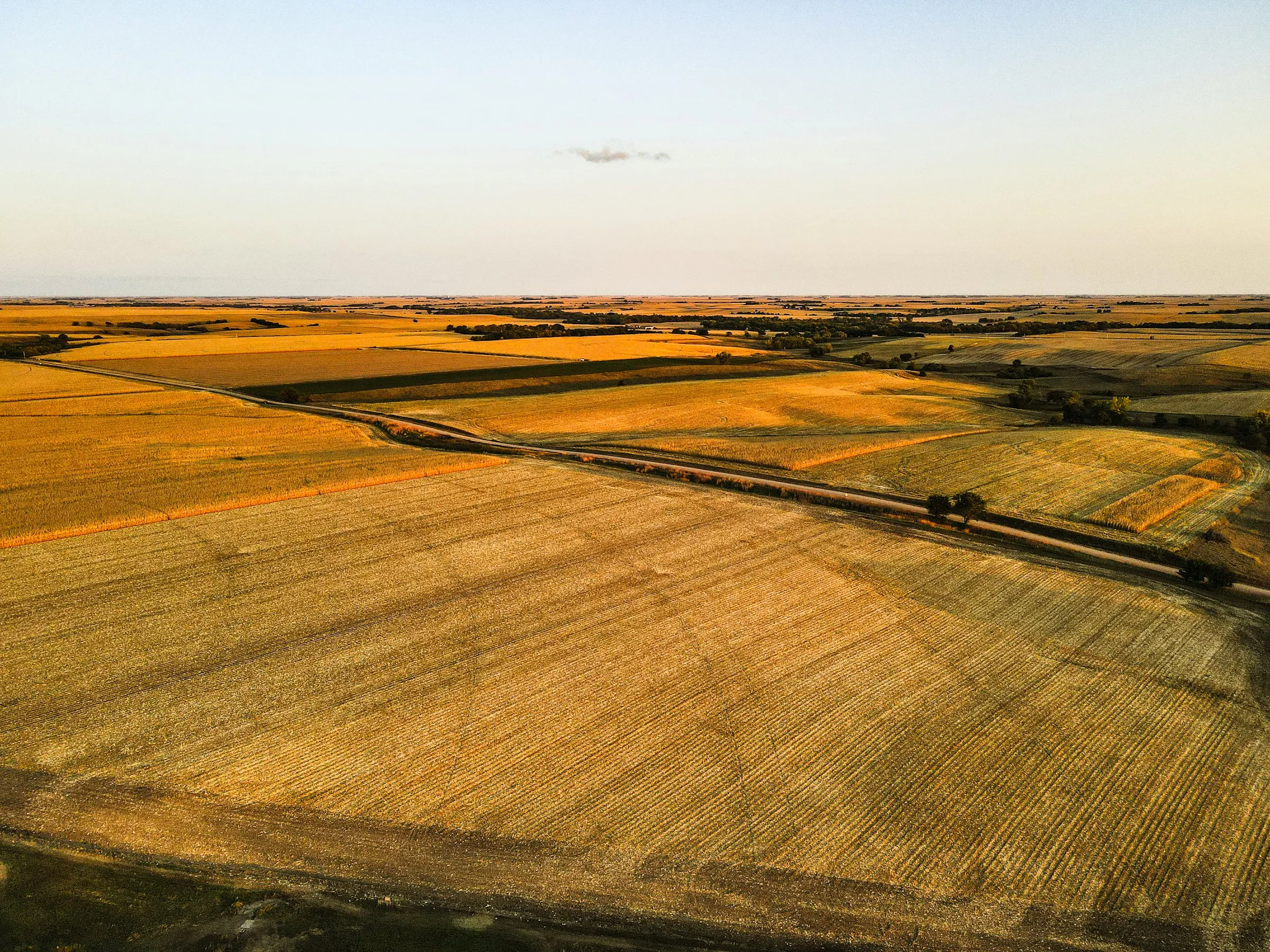
One supported pathway from a first classroom module to national-scale computing. HEARTLAND treats computing, data, software, and expertise together as the unit of access, not GPU-hours alone.
Students and faculty learn AI-for-science methods through reusable modules, from a community-college practicum to graduate courses.
Year-5 target: 3,000 students a year in Hub-enabled courses
Through one front door, research teams launch new scientific workflows with an AI-for-Science Corps facilitator at their side.
Year-5 target: 8–10 Launch awards and 150 startup allocations a year
Workflows that work scale across federated computing at ISU, UI, and UNL and a shared cloud tier, without users needing to know who owns which system.
Year-5 target: 450,000 Hub-dedicated GPU-hours a year
The most demanding projects surge to national cyberinfrastructure: the National Research Platform and, through supported applications, NAIRR.
Year-5 target: 10–20 supported national applications a year
Iowa and Nebraska turn crops and feedstocks into fuels, chemicals, materials, products, and machines. HEARTLAND's three science drivers follow that value chain, each with one flagship question. They are test cases for the infrastructure, not boundaries: the front door is open to meritorious AI-enabled science across the region, from health sciences to transportation.
Can crop-sensing and phenotyping foundation models generalize across sites, seasons, and sensors?
Multimodal foundation models for crop sensing and phenotyping, with coupled soil, water, and nutrient digital twins.
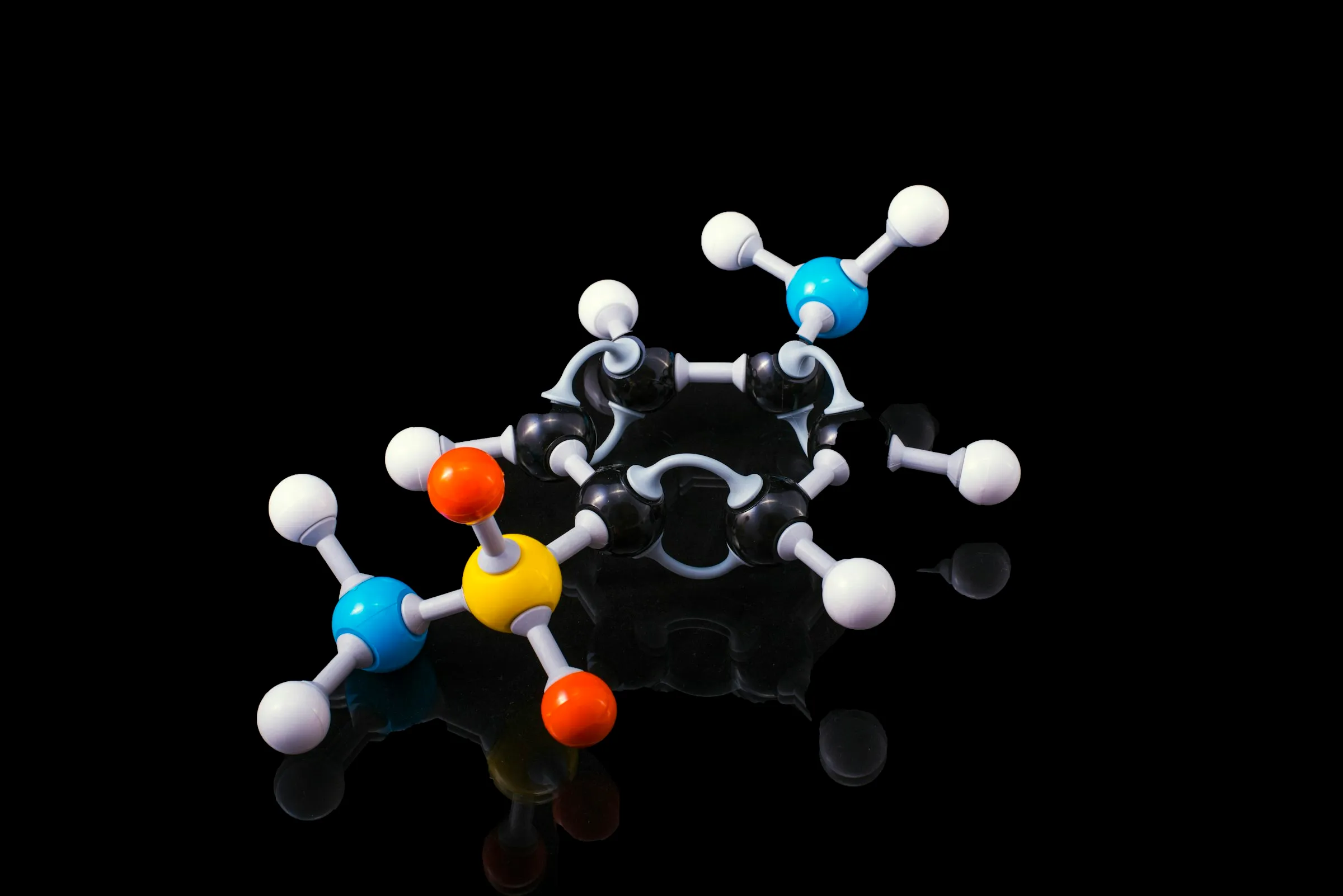
Can AI-guided design, checked by simulation first, cut the cost of evaluating candidates for biomanufacturing and biomedicine?
AI-guided design of proteins, enzymes, and materials, screened by physics-based simulation before anything is synthesized.
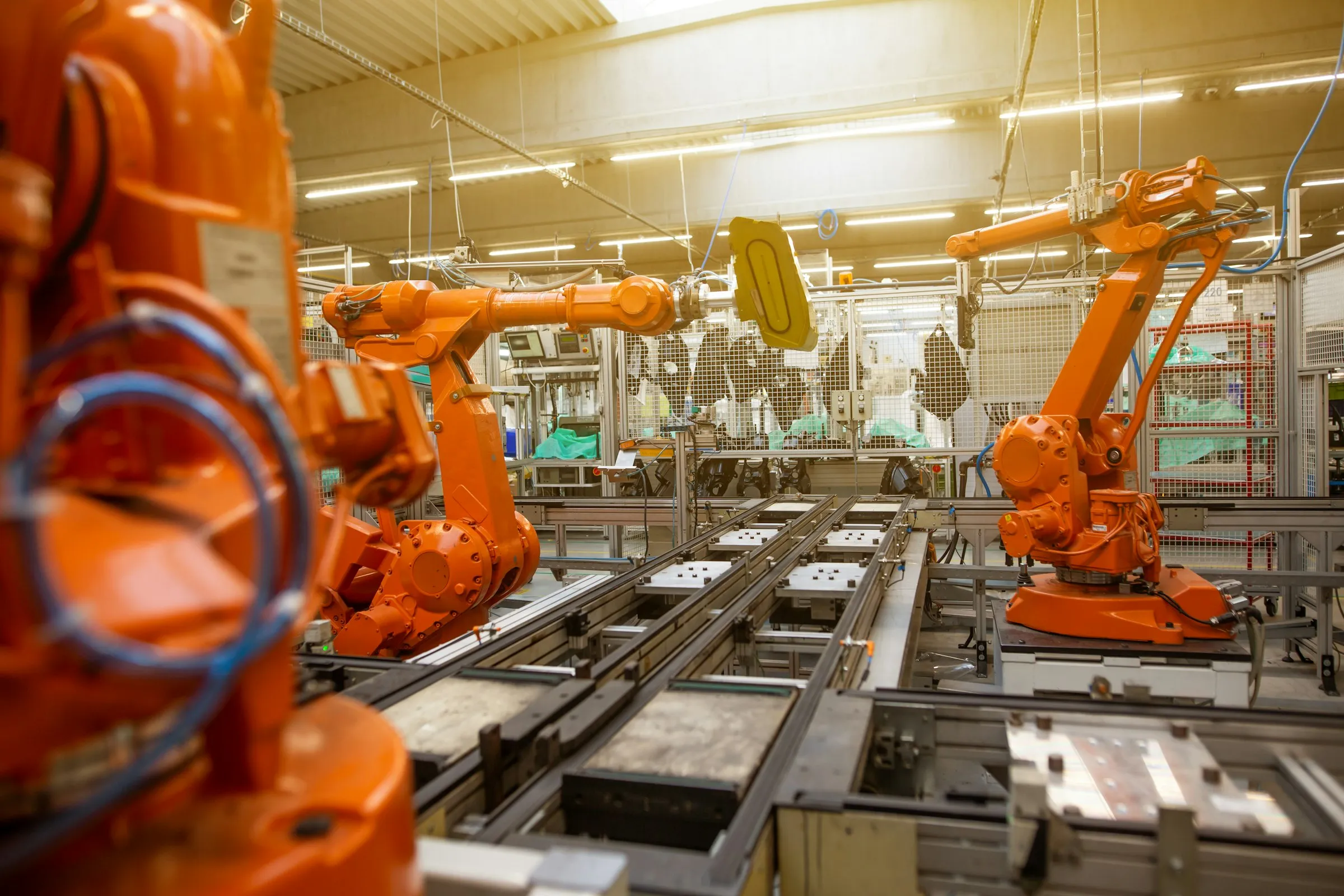
Can digital twins predict part quality and flag defective or tampered toolpaths before a part is built?
Physics-based process simulation and AI surrogates as real-time digital twins for additive manufacturing, including for small and mid-sized manufacturers.
The service region is Iowa and Nebraska: two states that share an agricultural and manufacturing economy, a land-grant tradition with Extension in every county, and the RuralSTAMINA NSF Engine that already links them.
The three universities already run production research computing with professional staff, and have worked as one team for more than a decade. NSF awards through the Great Plains Network built a shared facilitation model, showed that distributed computing can be operated centrally, and added a regional data plane; the National Research Platform showed one fabric can federate hardware across the country. HEARTLAND extends what already works rather than creating a parallel organization.
Connected to national resources
Federal funding would seed a regional capability that the partners then sustain, through recurring institutional investment, cost recovery for advanced services, state investment, and industry and philanthropy.
For much of the region's scientific community, the main barrier to AI-enabled discovery is the time and expertise it takes to make computing productive. Three clocks, tracked from the first month by institution type and workload, would test that, and show where added capacity matters most.




Faculty who want to teach with AI, researchers with a project in mind, community colleges, employers, and government partners: tell us where you'd fit while the plan takes shape.
Jessica Bell, Executive Director · jmpbell@iastate.edu